More Than a New Name. A New Perspective.
How do you transform an established organization into a brand that represents the future of Israel’s technology industry?
There comes a point when an organization realizes that its identity no longer reflects where it stands today, or more importantly, where it wants to go.
Its activities expand. Its audiences evolve. Its ambitions grow. Yet its name and brand continue to tell an older story.
This was the challenge facing the Israel Information Technology Chamber, an established professional organization with a strong legacy, deep industry relationships, and a community built over many years.
The organization wanted to broaden its role within the industry. Alongside its long-standing IT community, it aimed to become relevant to high-tech companies, executives, innovation leaders, and a new generation of professionals.
But how do you expand an established organization’s identity without losing everything that makes it valuable?
That was the starting point for the strategy and branding process we led at Studio Baram.
The Challenge: Expanding Without Losing Your Identity
When an established organization decides to evolve, one of the first questions is what needs to change and what should remain.
On one hand, there is heritage, reputation, experience, and a community that has identified with the organization for years. On the other, there are new ambitions, new audiences, and opportunities that may no longer fit its original definition.
Our challenge wasn’t simply to find a new name or design a contemporary logo.
We needed to understand the role the organization wanted to play in the years ahead, the value it could offer different audiences, and how to create one identity capable of bringing all these elements together.
Above all, we needed to build a shared understanding of the future before giving it a visual form.
Before Defining the Future, Understand Where You Stand Today
One of the most meaningful stages of the process was a strategic workshop we facilitated with the organization’s extended leadership team, using the LEGO® SERIOUS PLAY® methodology.
The workshop was designed as a structured strategic journey, exploring the organization’s identity, its current position in the industry, and the direction it wanted to take.
We started with the present.
Through a series of questions and building exercises, we invited participants to explore how they perceived the organization today, what defined it, and the value it brought to its community.
In one exercise, we asked each participant to build a model representing how they saw the world of high-tech.
It sounded like a straightforward question. After all, these were people who knew the technology industry and had worked within it for many years.
But the results surprised even us.
The same question produced an unexpectedly wide range of interpretations, perspectives, and approaches.
Each participant brought a different understanding of the high-tech world, what characterized it, and what it could represent.
The models gave everyone an opportunity to express their individual perspective, revealing just how differently people working within the same industry could see it.
And that diversity was precisely where the value emerged.
It opened the conversation beyond familiar definitions, brought forward perspectives that might never have surfaced in a conventional leadership meeting, and encouraged everyone to reconsider the boundaries of the industry the organization wanted to represent.
From the Present to the Future
From there, we moved into questions about the organization’s future.
Where did participants want to take it? Which new audiences could it connect with? How did they envision its development? And what role could it play in Israel’s technology and high-tech industries in the coming years?
Through the models and the conversations they sparked, we began exploring new possibilities and looking beyond the organization’s traditional role.
Working with LEGO Serious Play helped turn abstract ideas into something tangible, opened dialogue between different perspectives, and created a foundation for shared strategic thinking.
But we didn’t want the workshop to end with a collection of inspiring ideas.
Turning Vision into Action
In the final stage of the workshop, we shifted from strategic exploration to practical next steps.
Together, we captured actionable ideas on the board, identifying potential directions for moving forward.
The goal was to ensure that the insights generated throughout the workshop would not remain ideas discussed in a room.
The result was a complete strategic journey: understanding the present, exploring possible futures, and identifying practical directions for what should happen next.
The insights and ideas that emerged became the foundation for further strategic meetings with the organization’s leadership team.
Sometimes, building a shared vision begins with discovering just how differently people see the same reality.
From Vision to Strategic Decisions
Following the workshop, we continued working with the leadership team through a series of strategic sessions.
Together, we examined the insights, refined the conclusions, and explored how to translate them into a clear brand direction.
This was where the broader questions began turning into practical decisions.
How could the organization maintain its connection with its existing community while attracting new audiences?
How could it define itself without being limited to a single professional field?
And what central idea could connect these different worlds?
Through this process, a broader vision began to take shape.
The organization would not simply represent a professional field. It would become a place that connects people, companies, knowledge, technology, and opportunities.
This thinking became the strategic foundation of the new brand.
WE BRIDGE: The Idea That Connects Everything
Out of the strategic process emerged the central brand idea:
WE BRIDGE
Two simple words that capture the broader role the organization wants to play.
Connecting technology with people. Knowledge with opportunity. Leadership with innovation. Companies with communities and different areas of expertise.
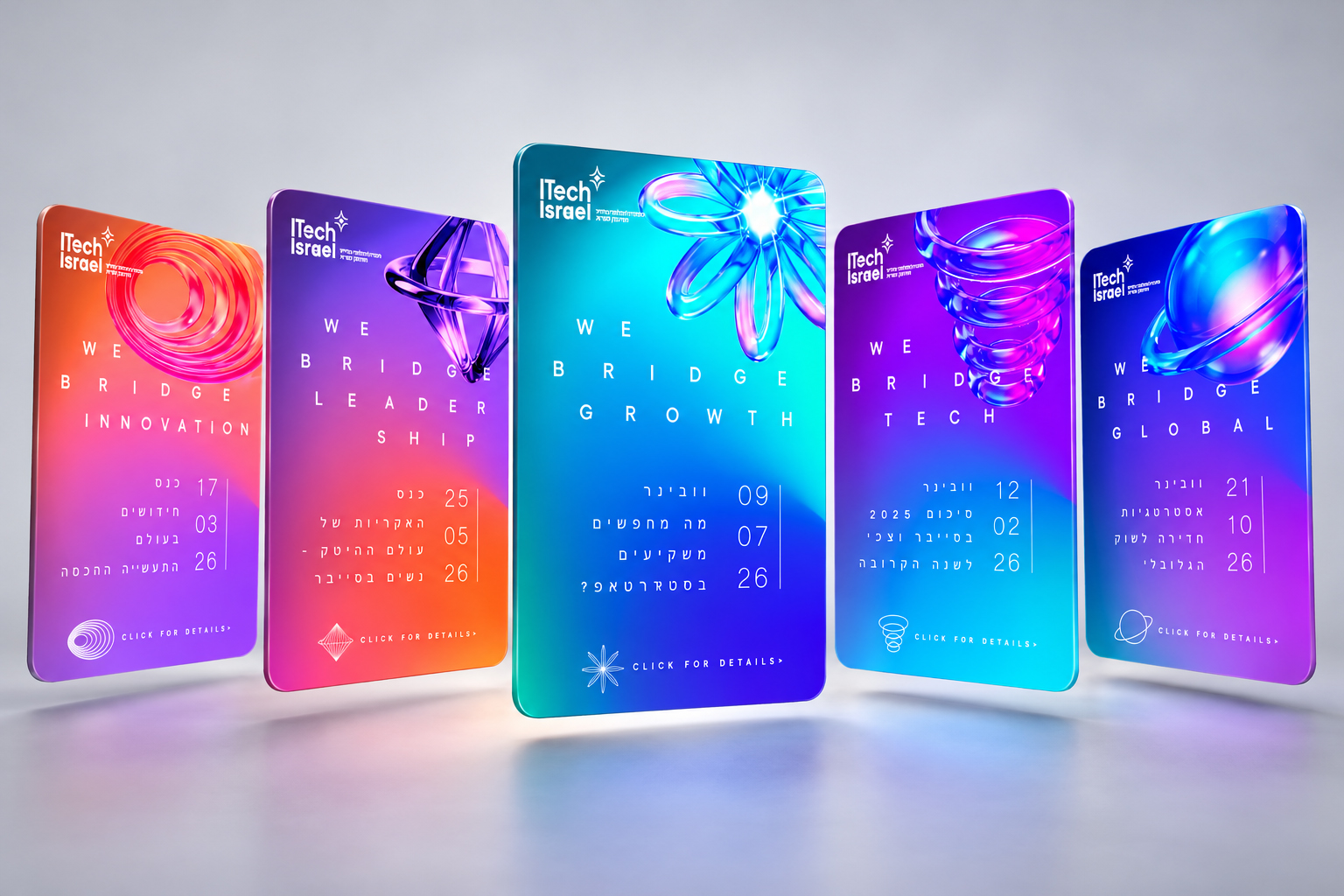
This idea became the foundation of a flexible brand system, designed to expand and adapt to different audiences and activities.
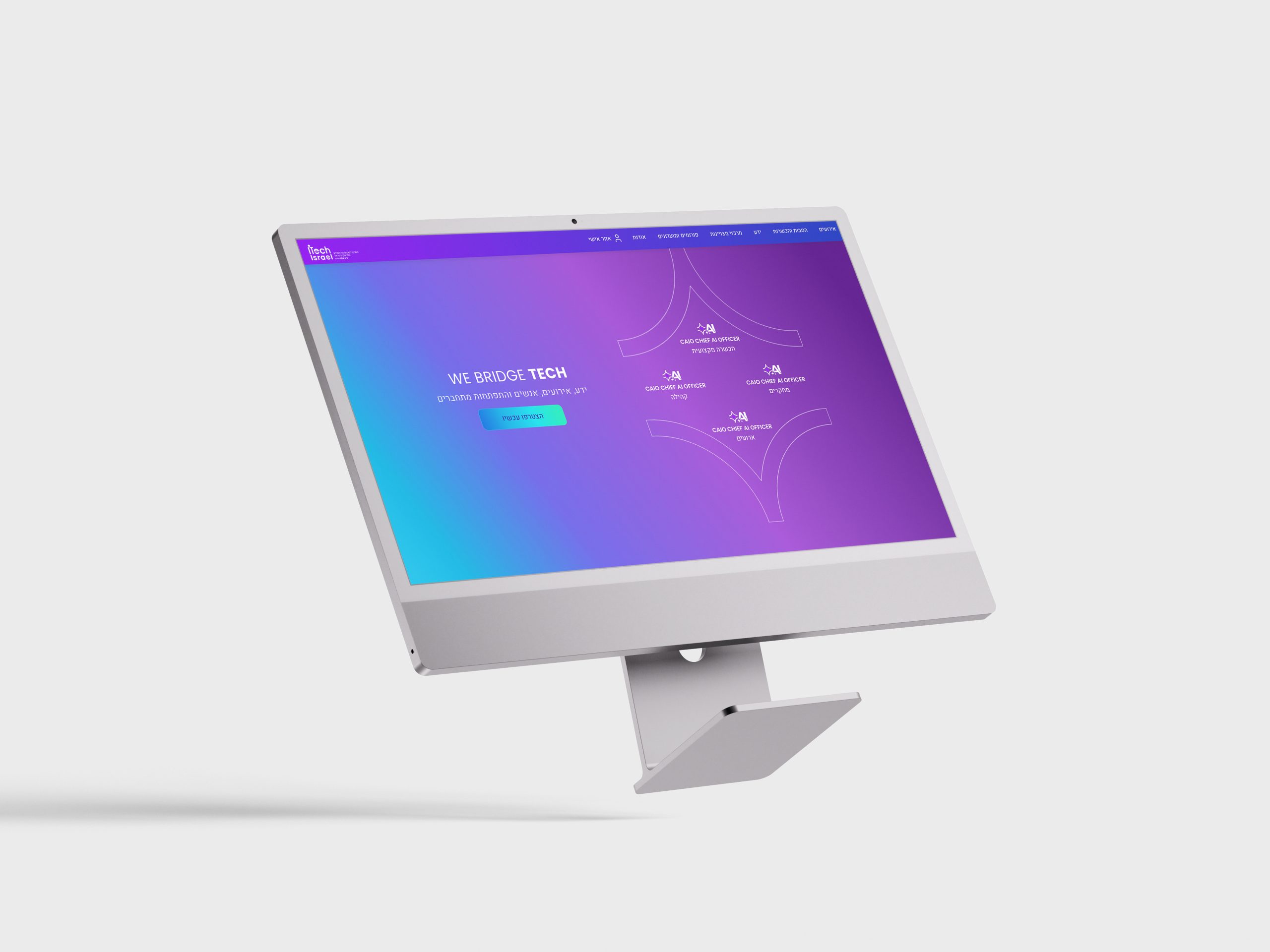
WE BRIDGE TECH
WE BRIDGE LEADERSHIP
WE BRIDGE INNOVATION
WE BRIDGE GROWTH
One central idea, expressed in different ways.
This reflects one of the core principles of Agile Branding, the approach we apply at Studio Baram: building brands with a clear, consistent core that can adapt their expression to different audiences, activities, and changing needs.
Rather than creating a new brand every time an organization evolves, we build a system designed to grow with it.
From a New Perspective to a New Name
For years, the organization operated under the name the Israel Information Technology Chamber, reflecting its professional identity and the community around which it had grown.
But the new vision called for a broader definition, one that would also embrace high-tech companies, executives, entrepreneurs, and innovation leaders.
Changing the name was therefore much more than a cosmetic update.
It needed to reflect a fundamental shift in how the organization saw itself and the role it wanted to play in the industry.
Following the strategic process, we developed several naming alternatives and invited the organization’s members to participate in a survey to help select the new name.
The chosen name was:
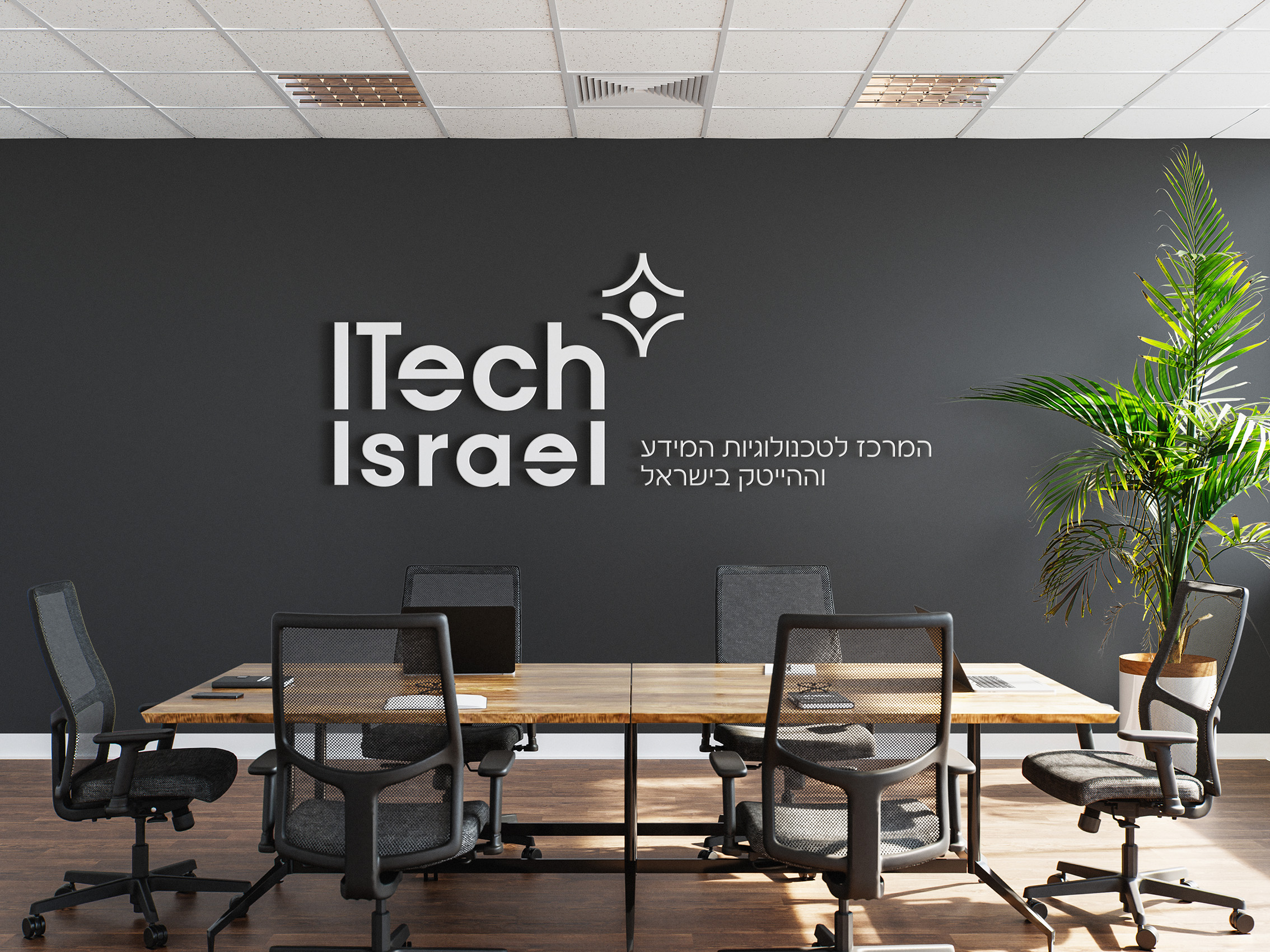
ITECH ISRAEL
The Center for Information Technology and High-Tech in Israel
The transition from Chamber to Center represented an important shift.
Rather than being defined primarily as a professional body associated with a specific field, the organization was positioning itself as a broader hub for connections, knowledge, leadership, and innovation.
The new name preserved its connection to information technology while opening the door to new audiences and areas of activity.
The name wasn’t where the branding process began. It was the result of the strategic journey we had taken.
Translating Strategy into Visual Identity
Once the strategic direction and name were established, the next challenge was turning those ideas into a brand people could recognize, experience, and connect with.
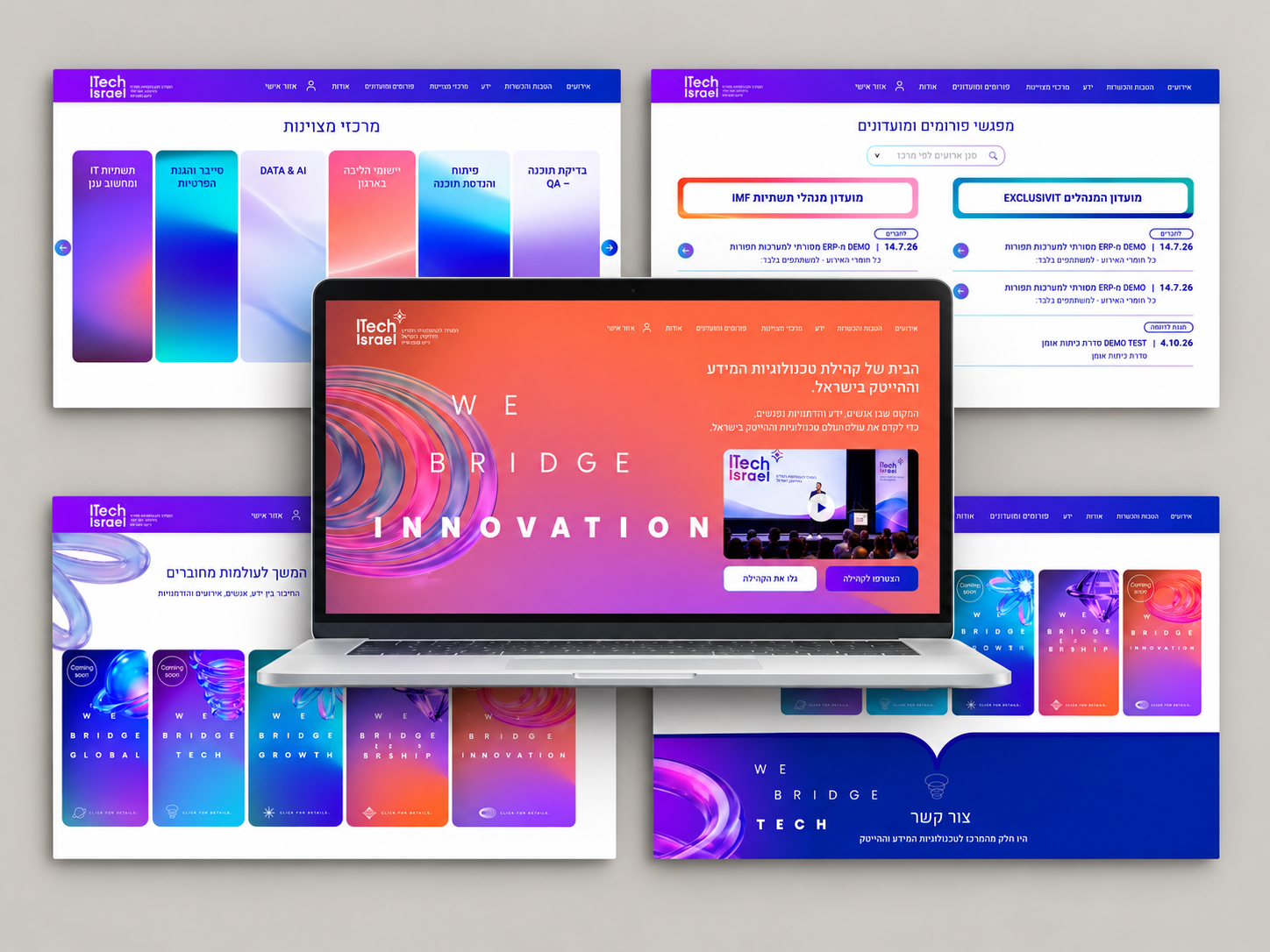
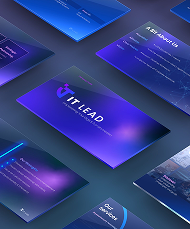
We developed a new visual identity and design system expressing innovation, connection, progress, and continuous evolution.
The system was designed to work across a wide range of touchpoints, including the website, leadership presentations, conferences, events, marketing materials, and the center’s various activities.
One of our key considerations was maintaining consistency while allowing the brand to communicate with different audiences.
An organization that connects multiple industries, companies, and communities needs a visual language capable of accommodating that diversity without becoming a collection of disconnected identities.
Alongside the visual identity, we developed a comprehensive brand book and guidelines to support clear, consistent implementation.
The Launch: When Strategy Meets Community
The organization’s annual conference in October 2026 became the moment when the new brand was introduced to its professional community.
For the event, we designed the CEO’s keynote presentation, the brand reveal film, screen content, and the broader visual environment of the conference.
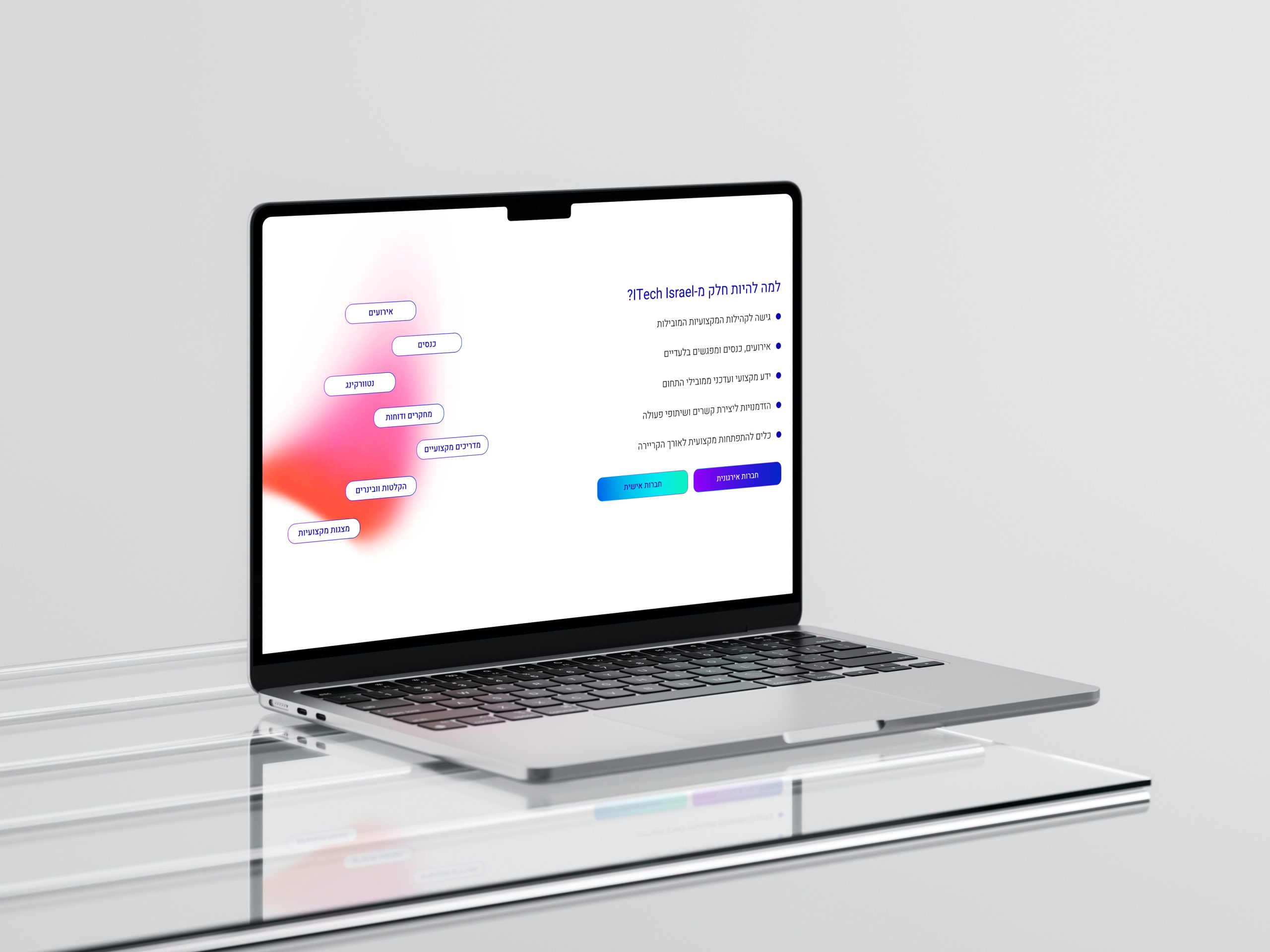
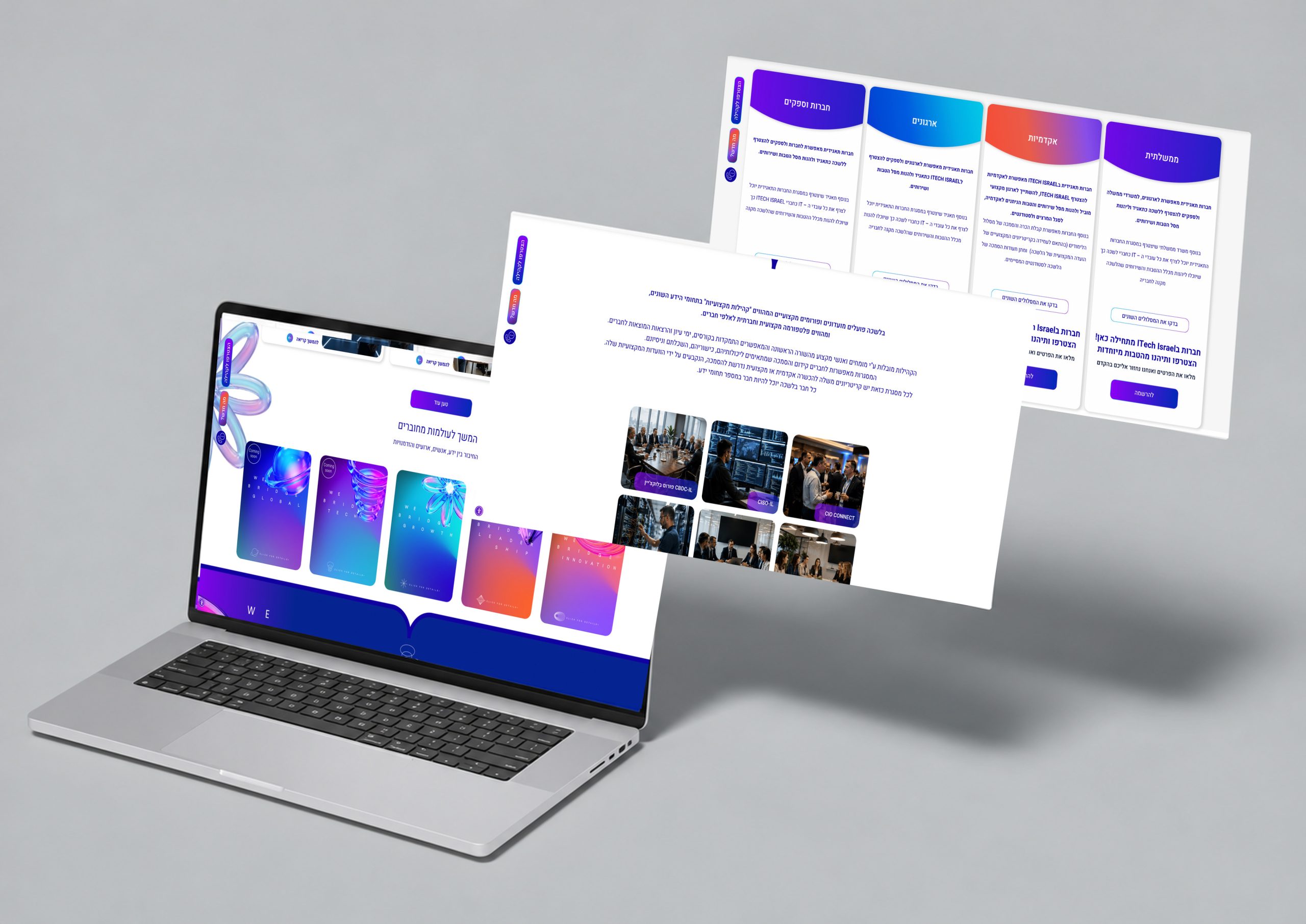
At the same time, we developed the new ITECH ISRAEL website, designed to reflect the organization’s new direction and make its expanding activities and audiences more accessible.
The launch became much more than the unveiling of a new logo.
It was an opportunity to communicate the new vision, explain the transformation, and demonstrate how the organization intended to evolve in the years ahead.
The Outcome: A Brand Built for Tomorrow
ITECH ISRAEL emerged with a new name, a new visual identity, a new website, and most importantly, a broader brand perspective.
But for us, the most meaningful achievement goes beyond the design itself.
It lies in the connection between the strategic thinking, the direction the leadership wanted to pursue, and the way the organization now presents itself to the world.
We created a brand foundation that allows ITECH ISRAEL to maintain a clear identity while developing new activities, reaching additional audiences, and adapting its communication to changing needs.
The launch was a significant milestone, but it was never intended to be the end of the journey.
A brand designed for a changing world needs to continue evolving alongside the organization it represents.
What Can We Learn from This Transformation?
The ITECH ISRAEL branding process illustrates several principles relevant to any company or organization experiencing growth or change.
Brand transformation begins with business questions, not design decisions.
Before choosing a name, a color palette, or a visual language, you need to understand what has changed within the organization and where it wants to go.
Leadership teams need a shared understanding of the future.
Even when everyone agrees that an organization needs to evolve, they may have very different ideas about what that evolution should look like. A meaningful strategic process helps reveal those differences and build common ground.
An existing community is an asset, not an obstacle to change.
Expanding into new audiences doesn’t have to come at the expense of the trust and identity built over the years.
A strong brand needs to make room for what hasn’t happened yet.
When a brand is built around a clear central idea, it can expand into new areas and reach new audiences without having to reinvent itself every time.
And perhaps the most important lesson from this journey is this:
A strong brand doesn’t just tell the story of who an organization is today. It creates room for who it wants to become tomorrow.