Strong brand strategy begins with understanding what your audience wants to know
Every website, presentation, article or marketing campaign should begin with the same question. Most companies begin by asking, “What do we want to say?” They focus on their services, advantages, key messages, new website design or next campaign. After nearly three decades of building brands, I have learned that a more powerful starting point is: What is the customer already asking themselves?
It may seem like a small shift, but it can transform the way a brand communicates. People visit a website, open a presentation or read an article because they are looking for clarity. They want to understand whether the company is relevant to them, whether it understands their challenge and whether its solution can help them move forward.
When a brand begins with its own message, the company becomes the centre of the conversation. When it begins with the audience’s question, the customer becomes the centre and the brand becomes immediately more relevant. This is often what separates content that disappears within seconds from content that makes people pause, read and continue exploring.
Relevant brand communication answers a question that already exists in the customer’s mind.
Every Brand Touchpoint Answers a Different Question
Every interaction with a brand begins with a different need for information. Strong brand strategy identifies what the audience wants to understand at each stage and provides a clear, relevant and persuasive answer.
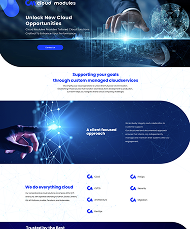
When someone enters your homepage, they are usually asking, “Have I come to the right place?” An effective homepage should quickly communicate who you help, what you help them achieve and why your company is relevant to their needs.
On a service page, the question becomes, “How will this solve my problem?” The content should connect your expertise directly to the customer’s challenge and show a clear path from their current situation to the outcome they want.
When people visit your About page, they want to know why they should trust your company. Your experience, values, perspective and understanding of the market should give them confidence that they are speaking with the right partner.
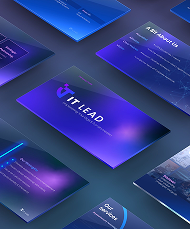
An investor reviewing a company presentation is asking why the business is positioned to succeed. A compelling investor presentation brings together the opportunity, market, business model, competitive advantage and capabilities of the team in one clear story.
At an exhibition, visitors are deciding whether there is a reason to stop at your booth. Effective exhibition design communicates relevance from a distance and creates immediate interest. During a sales conversation, the potential client wants to feel that you truly understand the business challenge. In a proposal, the decision-maker wants to understand the value the investment will create.
Each brand touchpoint serves a different purpose, but they all share the same foundation: they begin with what the audience needs to know.
This Is Where Agile Branding Begins
This question-led approach is one of the foundations of Agile Branding. An agile brand has a clear, consistent identity and a flexible way of expressing it across different audiences, markets and moments.
Investors ask different questions from customers. New customers need different information from long-standing clients. Job candidates look for different answers from business partners. Each audience has its own priorities, perspective and level of familiarity with the company.
A flexible brand understands these differences and shapes its communication accordingly. Its identity, values and DNA create a strong and recognisable centre. Its messaging, tone of voice, content, visual language and brand experience evolve to connect with each audience in the most relevant way.
This allows one company to communicate with multiple audiences while maintaining a clear and consistent brand identity. It also creates the flexibility a growing company needs as it enters new markets, launches new services or responds to changes in its industry.
For technology companies, cybersecurity businesses, medical companies and organisations operating in complex markets, this ability is especially valuable. Different decision-makers can evaluate the same company through completely different lenses. A CEO may focus on business growth, while a technical leader looks for capability and reliability. An investor may assess market potential and scalability, while a prospective employee wants to understand the company’s purpose, culture and opportunities.
A strong and flexible brand can answer all these questions through different expressions of the same identity.
How Question-Led Branding Creates a More Effective Website
A business website becomes more effective when every page is built around a genuine visitor question. Its structure is shaped by what people need to understand before they can feel confident enough to take the next step.
This thinking influences the website strategy, user journey, navigation, brand messaging, visual hierarchy, service-page content and calls to action. It creates a clearer experience because every element has a defined role in answering the visitor’s questions.
It also supports Search Engine Optimization (SEO) and Generative Engine Optimization (GEO). Search engines and AI platforms aim to connect users with content that provides relevant, direct and useful answers. Website content structured around genuine customer questions is easier for people, search engines and AI systems to understand.
This approach can help companies improve their visibility across Google, ChatGPT and other AI-powered search experiences while creating content that remains natural, valuable and human.
Begin With the Question Your Customer Is Already Asking
The next time you build a website, prepare a company presentation, write an article or plan a marketing campaign, begin by asking: What is the person in front of me trying to understand?
Then build the message as the answer.
When brand communication answers a meaningful question clearly, people are more likely to engage, continue exploring and remember the company behind it. Strong brands create clarity by understanding what matters to their audiences and providing the right answer at the right moment.
Before deciding what your brand wants to say, ask:
What does your customer need to understand right now?